THE FACE OF HUNGER –
When we hear the words food insecurity, we often picture someone whose struggles are easy to see. Maybe we picture someone without a job. Someone experiencing homelessness. Someone who, honestly, looks like they’ve fallen into hard times.
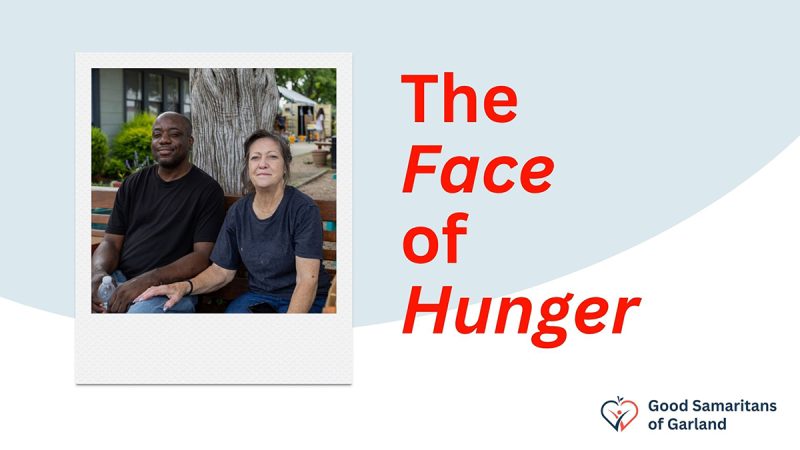
But the truth is, hunger doesn’t always have a recognizable face.
The face of hunger can be:
• Parents working full-time but are still unable to make the grocery budget stretch until the end of the month.
• Senior adults living on a fixed income, watching the cost of everything from groceries to medication increase.
• Families who were doing just fine until an unexpected medical bill, car repair, or reduction in work hours changed everything.
Because hunger doesn’t discriminate.
For many families, food insecurity doesn’t happen because they suddenly have no income. It happens because the cost of living has slowly outpaced what their paycheck can cover. When rent, utilities, transportation, childcare, and medical expenses all come out of the same paycheck, food often becomes the place where families try to make up the difference. When there isn’t enough money left for groceries, people make difficult choices.
• They skip meals.
• They buy less nutritious food because it stretches further.
• Parents eat less so their children can eat more.
• Seniors choose between groceries and the medications they need.
• Families put off other necessities because they know there isn’t enough money to cover everything.
These are not people who have stopped trying.
They are working incredibly hard to keep everything together.
For someone facing food insecurity, receiving groceries isn’t about getting something for nothing. It’s about having one less thing to worry about when there are already so many other things demanding attention.
Sometimes, the greatest impact isn’t simply the food itself. It’s the breathing room it creates. When one essential expense is covered, a family has a little more room to navigate everything else life has put on their plate. And perhaps most importantly, it reminds people that they are not alone.
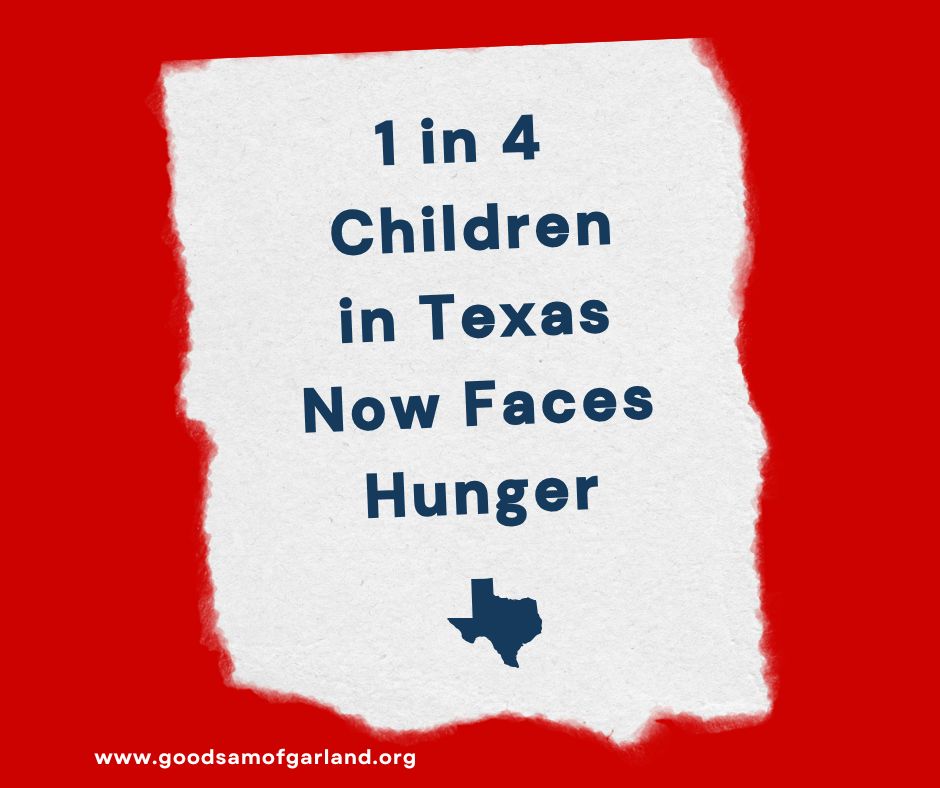
That human impact can be easy to lose when we talk about hunger in terms of statistics. Households served. Pounds of food distributed. Meals provided. Percentages. Those numbers matter because they help us understand the size of the problem.
But numbers can’t tell us everything.
They can tell us how many people are struggling, but they can’t tell us what it feels like to sit at the kitchen table and wonder how you’re going to make the groceries last. They can’t capture the relief of knowing there will be enough food for your family this week, or the dignity that comes from being treated with kindness when you need a little help.
Those are the things that don’t show up on a spreadsheet.
When we look beyond the numbers, we begin to see hunger differently.
Hunger isn’t someone else’s problem. It isn’t always obvious. And it certainly doesn’t belong to one particular type of person.
Hunger has a face. And that face is our neighbor.
Together We Can Change That
Join Good Samaritans of Garland in the fight against hunger in our community. Your generosity helps ensure our neighbors have access to nutritious food when they need it most.
Visit GoodSamofGarland.org to donate, volunteer, or learn more.